How a Dumpster Rental Company Can Help With Equine Disposal
By Alex Bennett | June 9, 2026
This article explores the unexpected benefits and practical applications of a dumpster rental company in the management and disposal of deceased equines, providing a thorough guide for horse owners faced with the challenges of handling equine remains.
Understanding the Challenges of Equine Disposal
Dealing with the loss of a horse is emotionally difficult, but the disposal process also creates serious logistical and environmental concerns. Horse owners must often make fast decisions while managing grief, which can complicate planning and compliance with local regulations. Improper disposal can contaminate soil, attract scavengers, and create health concerns for nearby properties and water sources. These risks highlight the importance of selecting a safe and organized disposal method.
The growing horse population across the United States means more owners will eventually face these responsibilities. Because of this, practical disposal planning has become an increasingly important aspect of responsible horse ownership. A dumpster rental service can help simplify the process by offering structured waste removal support while helping owners comply with local environmental standards. Reliable planning also reduces stress during an already emotional situation.
Emotionally, horse owners often struggle to balance grief with the urgent responsibilities tied to proper disposal. Delays can quickly create sanitation concerns or violate local disposal regulations. Having a structured plan in place before an emergency occurs can help owners react more confidently. Preparation also allows families, stable operators, and veterinarians to coordinate more effectively during difficult circumstances.
Legal and Regulatory Considerations
Equine disposal regulations vary widely depending on state, county, and municipal laws. Some areas permit burial under strict guidelines, while others require transport to approved facilities. Regulations may address burial depth, distance from water supplies, transportation permits, and environmental protections. Failure to comply with these rules can result in fines or delays that create additional hardship for horse owners.
Working with a dumpster rental company can help owners better understand local disposal requirements. Experienced providers often understand transportation regulations, approved disposal procedures, and scheduling considerations that impact compliance. This guidance can help reduce confusion and make the disposal process more efficient. Service providers may also coordinate with local agencies or disposal facilities to streamline the overall process.
Transportation laws can create another layer of complexity. Horse remains often require specialized handling equipment and vehicles capable of safely transporting large loads. Owners who attempt to coordinate these logistics alone may encounter avoidable delays or safety concerns. Professional assistance helps ensure the process is handled respectfully and according to local guidelines.
Transportation and Logistics Challenges
Transporting equine remains requires careful planning because of the size and weight involved. Standard vehicles and equipment are often insufficient for handling large animals safely. Specialized loading equipment, trailers, and disposal containers may be required to complete transportation properly. Coordinating these resources during a stressful situation can overwhelm horse owners who are already coping with emotional strain.
Another concern involves the environmental impact of transportation. Long-distance hauling may increase fuel consumption and contribute to additional costs. Professional providers often use optimized transportation routes and organized scheduling systems that reduce delays and improve efficiency. These strategies help limit unnecessary environmental impact while maintaining respectful handling practices.
Weather conditions can also complicate transportation efforts. Heavy rain, heat, or freezing temperatures may affect road access, disposal schedules, and equipment operation. Having an experienced service provider involved allows horse owners to adjust plans quickly while maintaining compliance with safety standards. Preparation and flexibility are essential throughout the process.
Options for Equine Disposal
Horse owners typically choose between burial, cremation, rendering, or professional removal services. Each method offers different benefits and limitations depending on local regulations, available land, and personal preferences. Burial may provide a more personal solution, but zoning restrictions and environmental concerns can limit its feasibility. Cremation offers a respectful option, although it can be expensive and may not be readily available in every area.
Rendering facilities present another option, but some owners may feel uncomfortable with the process. Professional removal services help simplify coordination by handling transportation and disposal logistics directly. Modern disposal strategies continue evolving as environmental standards and community expectations change. This has increased interest in organized waste management services that provide flexibility and regulatory compliance.
Using a dumpster rental company can provide adaptable disposal support for situations requiring temporary containment, transportation coordination, or large-scale cleanup efforts. These services can reduce logistical pressure while helping owners maintain organized disposal procedures. The ability to customize services also makes them useful in a variety of equine management situations.
Budgetary Considerations and Hidden Costs
The financial side of equine disposal can become overwhelming when unexpected expenses arise. Costs may include transportation, permits, labor, equipment rentals, environmental fees, and disposal services. Owners who fail to plan ahead may encounter additional charges that increase emotional stress during an already difficult time. Understanding these expenses early helps create more realistic budgeting expectations.
Hidden costs often emerge when regulations require specialized transportation or emergency scheduling. Delays can also increase labor and equipment expenses. Transparent service providers help reduce uncertainty by outlining pricing details in advance. Comparing disposal options carefully allows horse owners to identify solutions that balance affordability, compliance, and convenience.
Although some traditional methods initially appear inexpensive, they may involve long-term environmental or regulatory expenses. Organized waste management services can provide clearer pricing structures and comprehensive support that minimizes unexpected complications. Reliable planning ultimately protects both financial stability and peace of mind.
The Role of Dumpster Rental Companies
Modern dumpster rental services provide adaptable solutions for large-scale waste management situations, including equine disposal support. These services often include delivery, pickup, and disposal coordination, allowing horse owners to focus on emotional recovery instead of complicated logistics. Providers may also offer multiple dumpster sizes, scheduling flexibility, and transportation assistance to meet different needs.
A dumpster rental company can also help clients understand disposal timelines and local restrictions. This guidance helps reduce confusion while improving operational efficiency. Providers with experience handling agricultural or animal-related waste often understand the importance of discretion, professionalism, and environmental responsibility. Their expertise can simplify a process that otherwise feels overwhelming.
Customization is another major advantage. Some horse owners may require urgent service, while others need additional time to coordinate burial, cremation, or transportation plans. Flexible scheduling allows services to adapt to individual circumstances. This adaptability makes professional disposal support especially valuable during emotionally sensitive situations.
Choosing the Right Dumpster Type
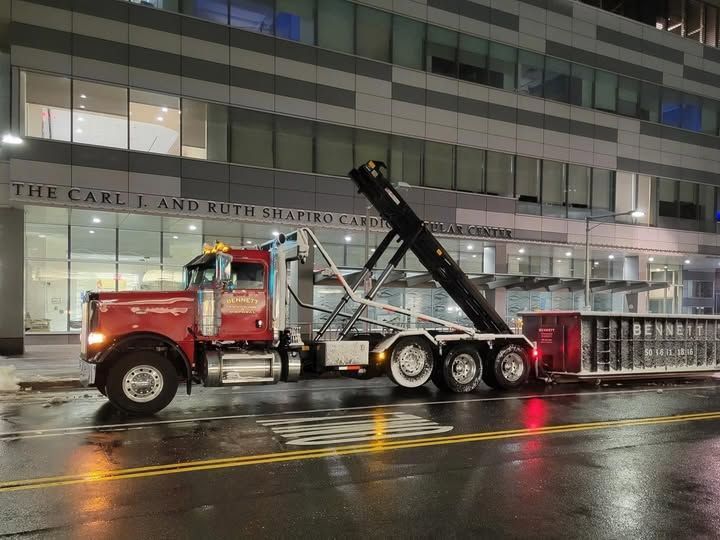
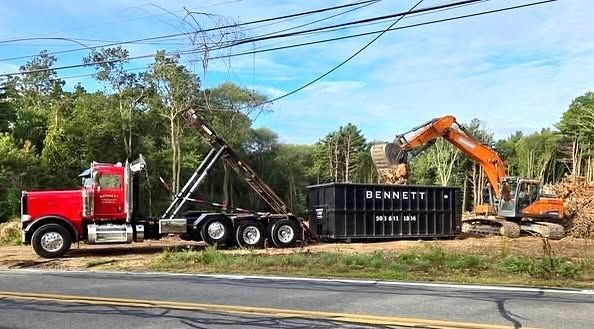
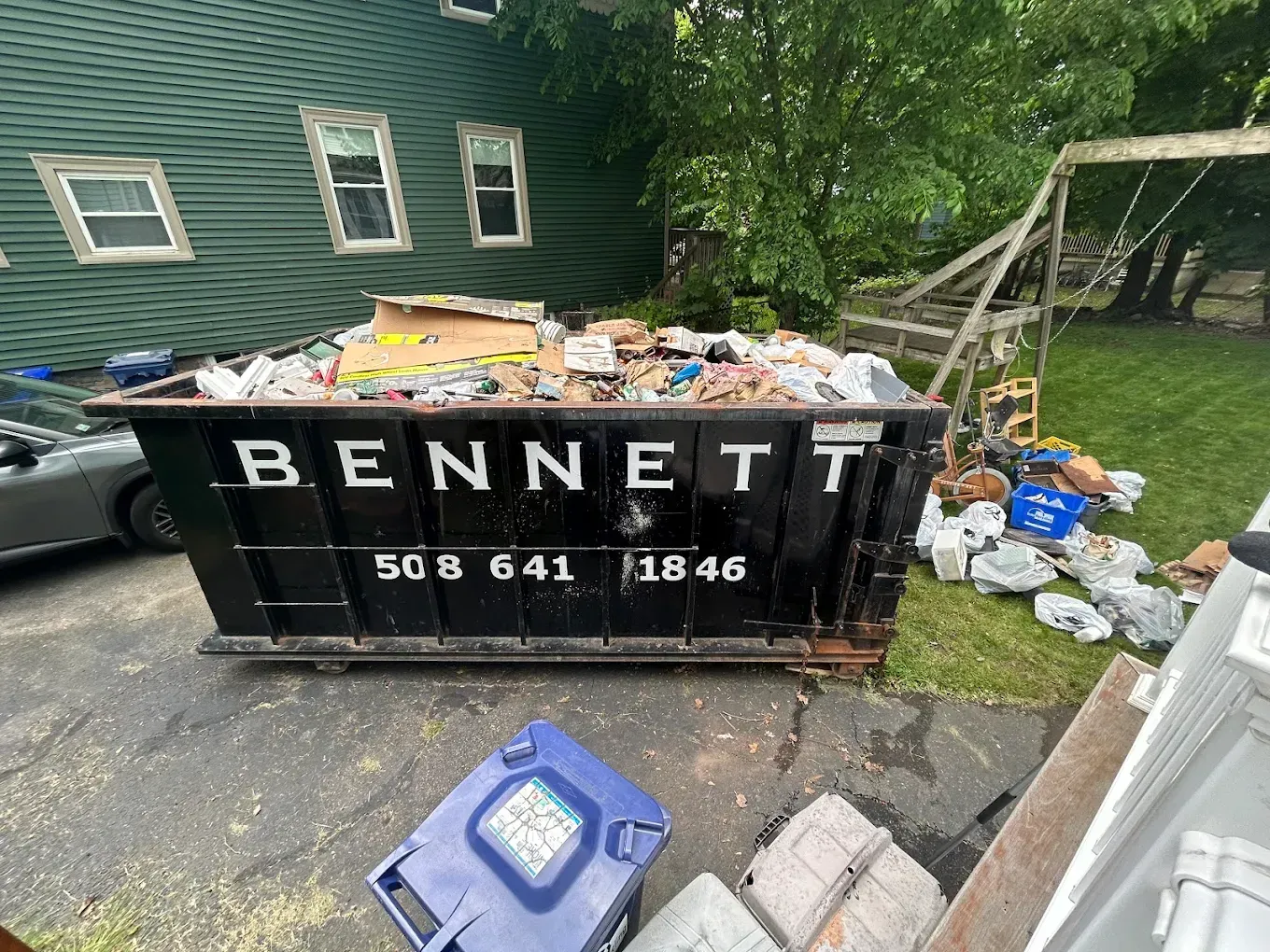
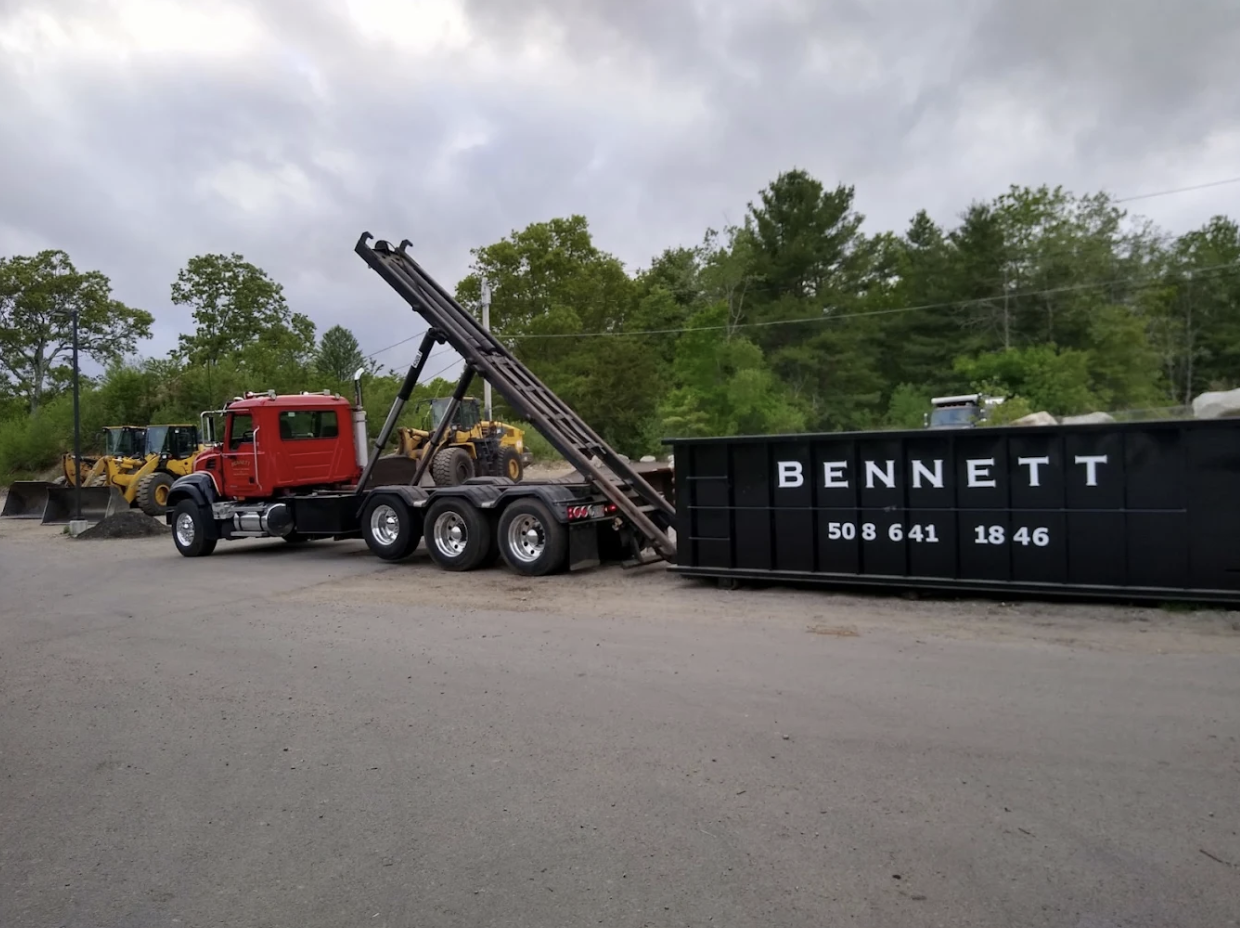
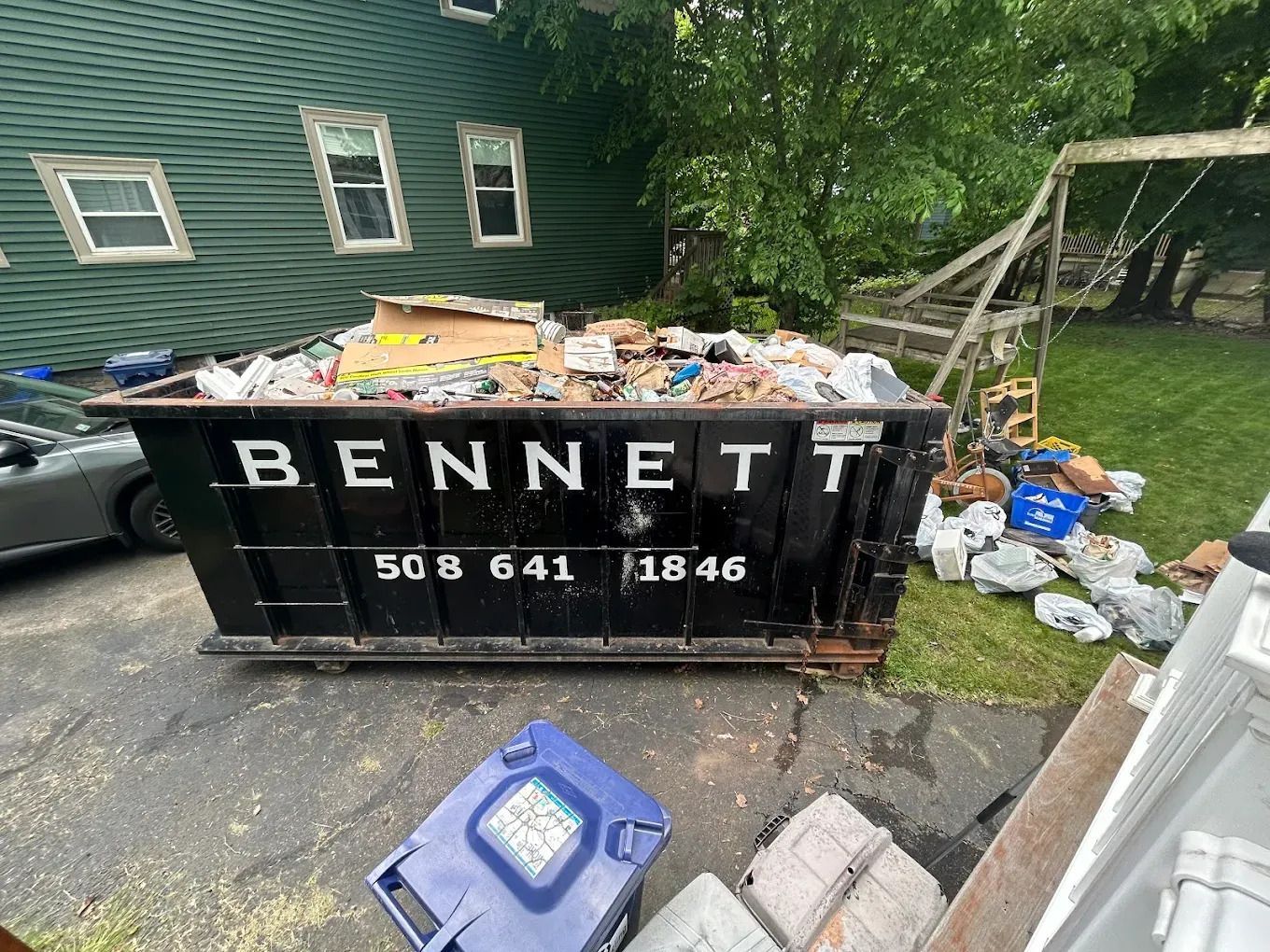
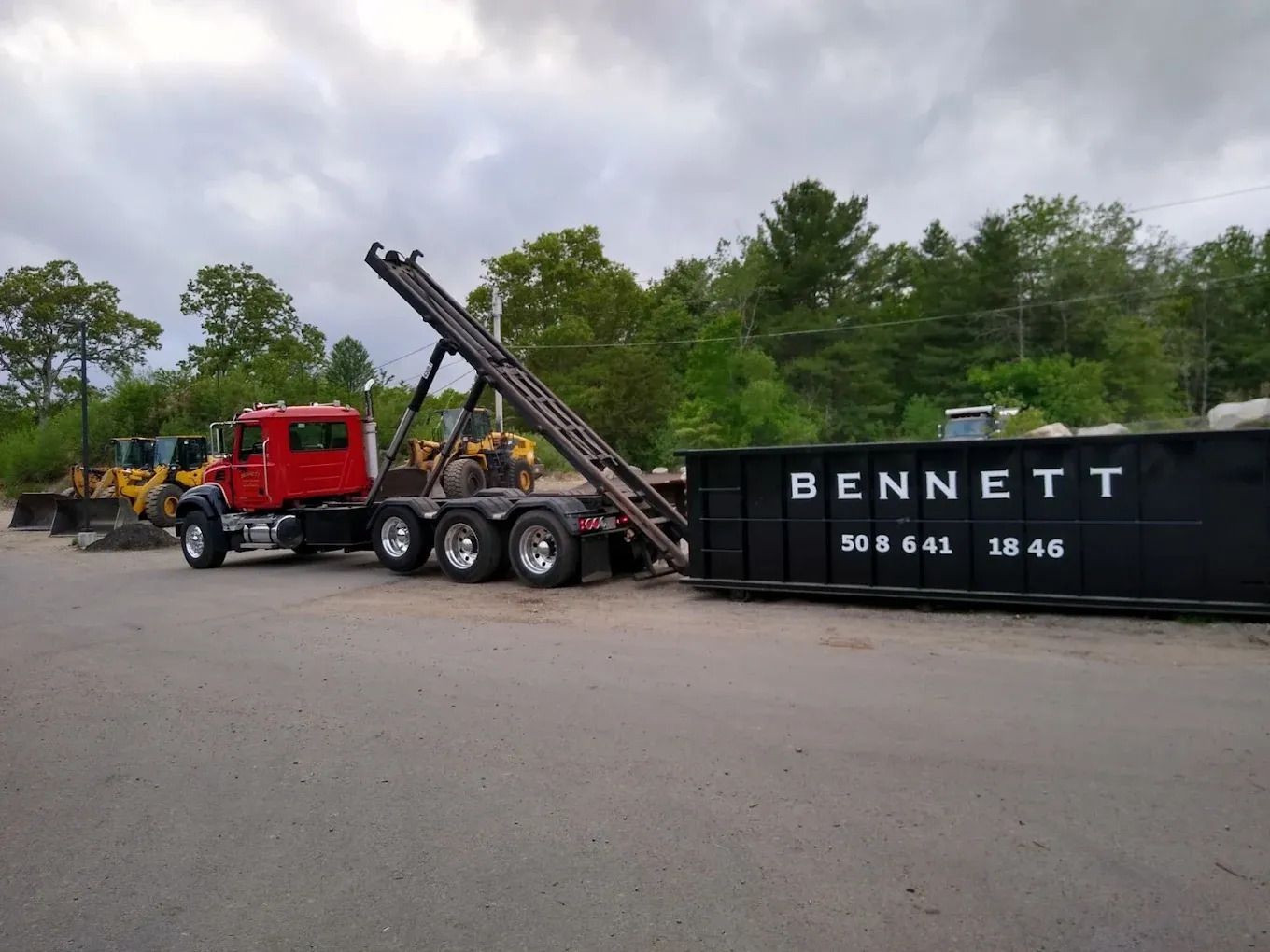
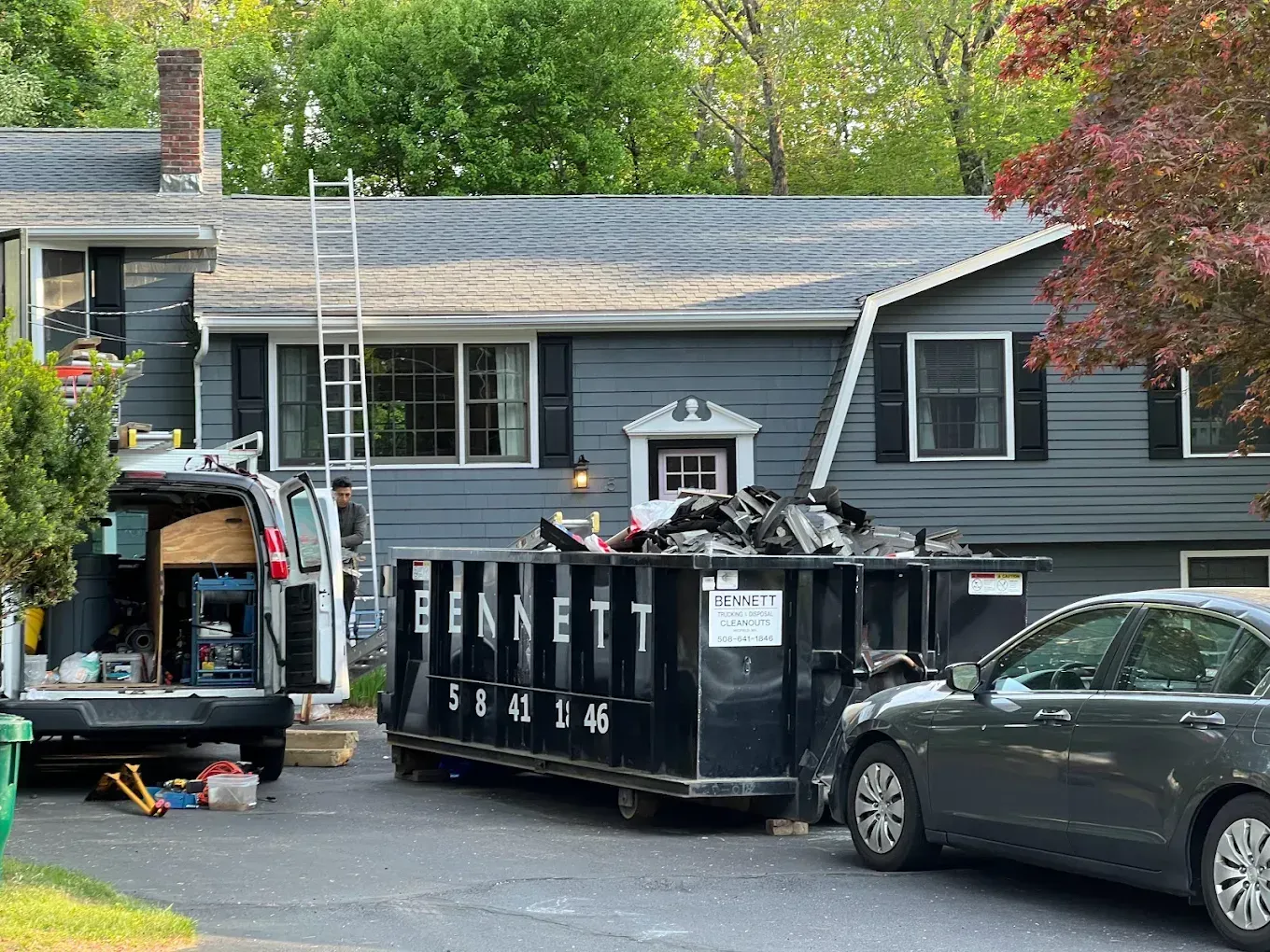
Selecting the appropriate dumpster type is essential for efficient disposal management. Standard residential containers are often too small or unsuitable for equine-related waste handling. Larger roll-off containers typically provide better accessibility, weight capacity, and loading convenience. Some providers also offer reinforced containers designed for heavier materials and specialized cleanup projects.
Protective liners and secure containment features may further improve environmental safety during transportation and disposal. Durable steel construction can also help containers withstand rough terrain and demanding loading conditions commonly associated with agricultural properties. Understanding available container options allows horse owners to choose solutions that support both safety and compliance.
Discussing disposal needs directly with a dumpster rental company helps ensure the selected container matches operational requirements. Clear communication about timing, access points, and transportation logistics reduces the likelihood of delays or equipment issues. Proper planning contributes to a more organized and respectful process overall.
Maintaining open communication with veterinarians, property managers, and service providers throughout the process can also improve coordination. Everyone involved should understand timelines, responsibilities, and safety procedures before work begins. Clear planning reduces confusion and allows the disposal process to move forward with greater efficiency. Thoughtful preparation ultimately supports a safer and more respectful outcome for all parties involved. Contact our team at Bennett Trucking today and learn more about our dumpster rental services.
Share On: