
How to Rent a Dumpster: A Step-By-Step Guide
By Alex Bennett | August 14, 2026
Managing a major home renovation, clearing out a cluttered garage, or overseeing a commercial construction project generates a massive volume of waste that standard municipal garbage collection cannot accommodate. Attempting to transport heavy debris to regional landfills using personal vehicles wastes valuable time, increases fuel expenses, and risks damaging personal transportation equipment. Securing a temporary waste container provides an efficient, centralized location to collect unwanted materials, keeping job sites organized, safe, and free from hazardous obstructions. Navigating the process of securing temporary waste containment involves understanding project scope, evaluating volume demands, preparing placement locations, and coordinating hauling logistics with experienced professionals. Partnering with a reliable local dumpster rental company simplifies waste management, ensuring that residential projects, commercial overhauls, and yard cleanups progress without unnecessary delays. Establishing a strategic waste disposal plan from the beginning allows property owners and contractors to focus on project completion while maintaining clean, hazard-free surroundings throughout the entire construction effort.
Evaluating Debris Requirements for Your Project
Determining the specific types and total volume of waste generated during a cleanup or construction effort represents an essential initial step. Residential renovation projects often produce a complex combination of broken drywall, old carpeting, wooden framing, ceramic tiles, and packaging materials. Commercial cleanouts or roofing replacements, on the other hand, generate dense materials such as asphalt shingles, concrete rubble, steel piping, and heavy masonry. Different debris categories require distinct handling protocols, weight considerations, and disposal methods at regional processing facilities. Engaging a trusted local dumpster rental provider helps property owners categorize materials accurately, ensuring that heavy items are segregated from standard household junk to prevent unexpected weight limit surcharges.
Understanding hazardous material restrictions before loading debris avoids unexpected processing delays, safety hazards, and regulatory compliance fines. Municipal environmental guidelines prohibit disposing of liquid paints, chemical solvents, automotive batteries, refrigeration units, propane tanks, and toxic household chemicals in standard roll-off containers. Improperly mixing hazardous items with general construction debris complicates processing at sorting facilities and poses severe environmental risks to workers and local ecosystems. Consulting with experienced local dumpster rental specialists guarantees clear guidance regarding allowable materials, ensuring that prohibited items are identified early and redirected to specialized municipal hazardous waste collection sites.
Choosing Ideal Container Sizes for Your Project
Selecting an appropriately sized disposal container prevents project disruptions caused by overflowing debris or needing multiple emergency haul requests. Container capacity is measured in cubic yards, representing the volume of space available for waste accumulation within the steel walls. Small cleanup jobs, such as clearing out a residential basement or trimming backyard trees, require modest containers that fit easily within standard residential driveways. Larger undertakings, including whole house remodels, major commercial additions, or roof demolitions, demand substantial units capable of holding heavy structural demolition debris. Arranging a local dumpster rental with precise dimensions ensures that all project waste fits securely without exceeding height limits.
Evaluating both physical volume capacity and total weight allowances ensures that your chosen disposal unit matches project specifications. According to Consumer Affairs, a 15-yard dumpster is one of the most common dumpster sizes, and it can fit 2,000 to 4,000 pounds of waste. Exceeding recommended weight boundaries leads to dangerous transportation conditions during highway hauling and incurs costly overage fees from landfill weight scales. Consulting with knowledgeable local dumpster rental representatives helps estimate debris density accurately, ensuring that heavy materials like soil, brick, or wet plaster do not exceed total vehicle weight capacities during transit.
Preparing Clear Placement Areas for Your Project
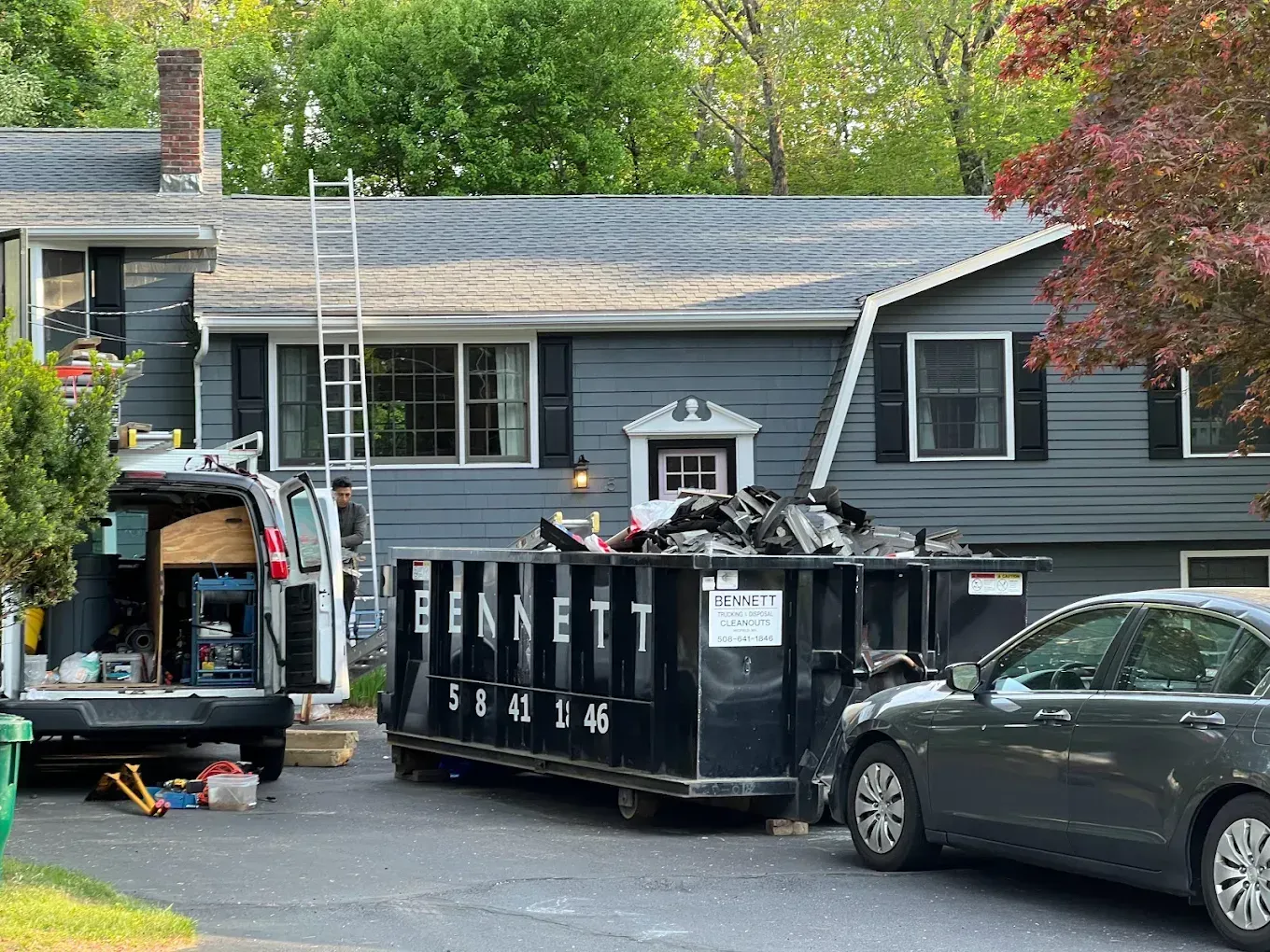
Preparing an accessible, stable placement site before delivery guarantees smooth drop-off procedures and prevents damage to surrounding property infrastructure. Delivery vehicles require ample overhead clearance, wide turning radii, and firm ground surfaces to position heavy steel containers safely. Residential driveways must be cleared of personal vehicles, outdoor furniture, hanging tree branches, and low-hanging utility lines prior to delivery vehicle arrival. Placing protective wooden planks along driveway surfaces distributes weight evenly, shielding delicate asphalt or stamped concrete from surface scratches and structural cracking. Securing a local dumpster rental from experienced operators guarantees careful placement that respects existing residential landscaping and hardscaping features.
Determining whether your chosen placement location requires municipal permits prevents unexpected regulatory fines or delivery cancellations. Setting disposal containers on private property, such as personal driveways or private commercial parking lots, generally requires no special municipal authorization. However, placing roll-off containers on public streets, sidewalk corridors, or municipal rights of way requires formal permits from local city government offices. Working alongside a dedicated local dumpster rental agency helps clarify municipal permitting requirements, ensuring that necessary street parking permits and reflective safety warning markers are secured before container delivery.
Loading Heavy Waste Materials for Your Project
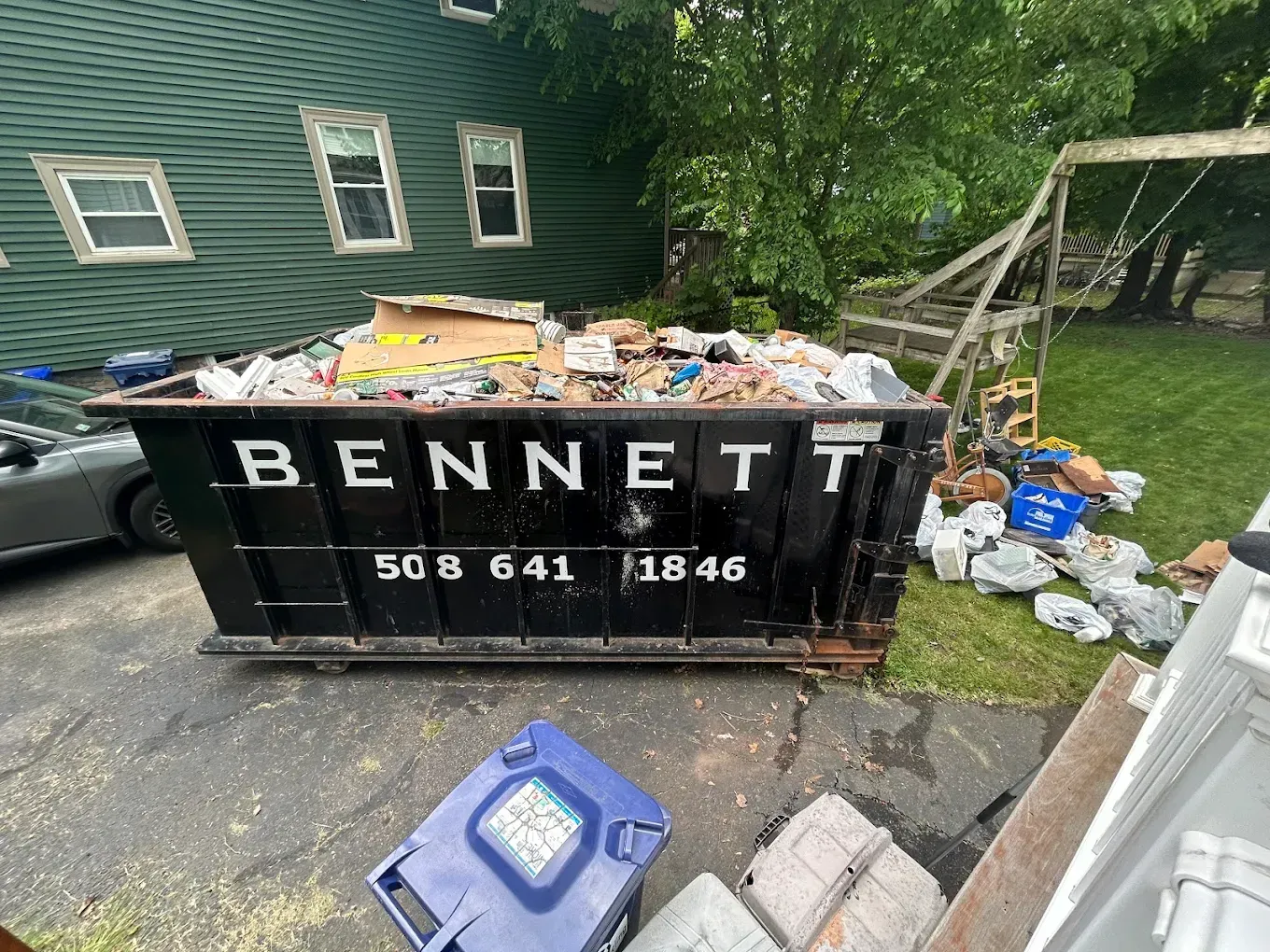
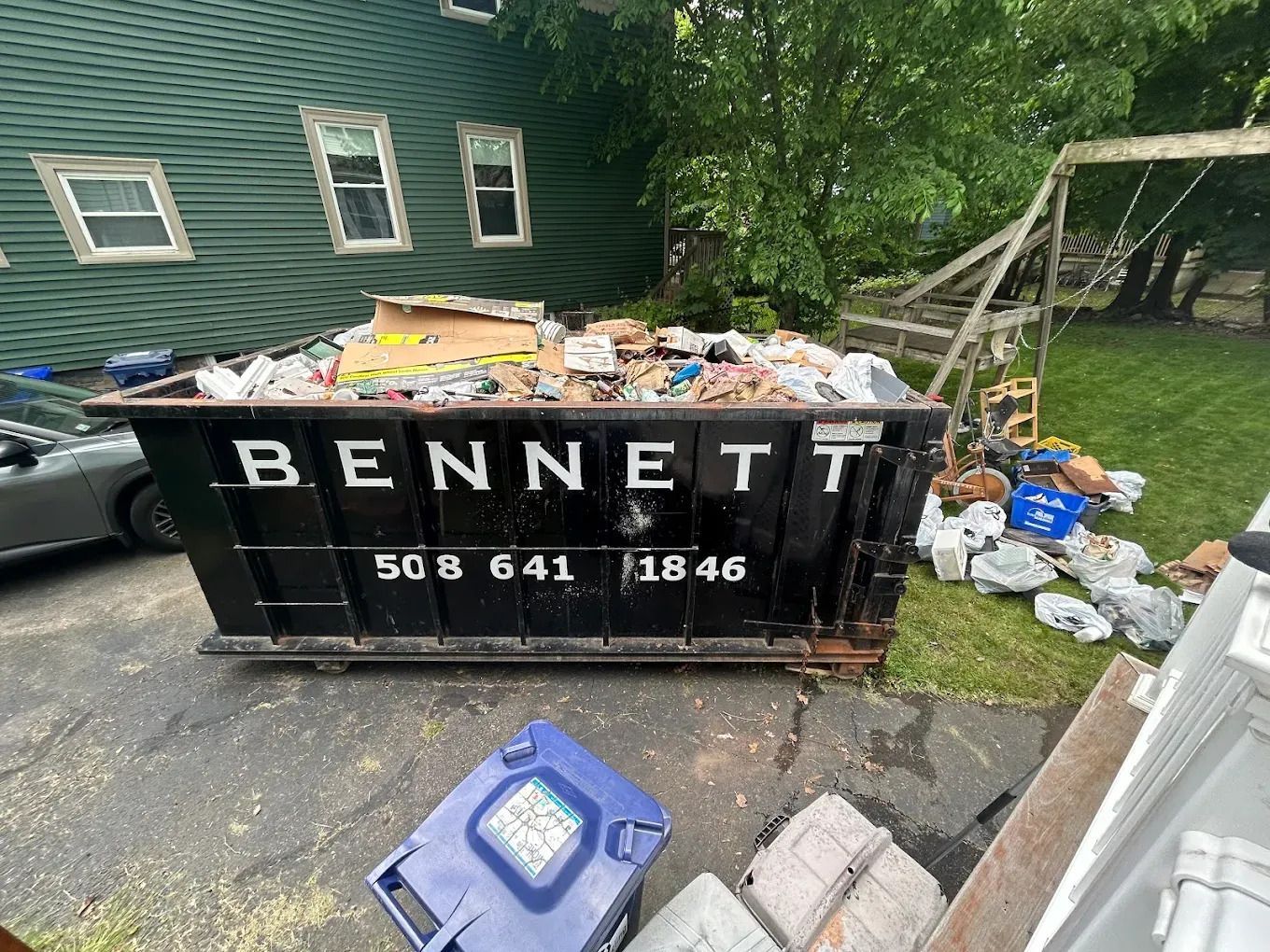
Packing waste materials systematically inside the container maximizes internal volume efficiency while ensuring safe highway transportation. Heavier items, such as broken concrete blocks, dense wooden beams, and bulky furniture pieces, should be loaded flat along the bottom surface. Utilizing the swinging rear door access allows operators to walk heavy items directly inside rather than lifting bulky debris over tall side walls. Distributing weight evenly across the entire floor prevents dangerous tipping hazards when hauling vehicles lift the heavy steel unit back onto transport frames. Managing a local dumpster rental with smart packing habits ensures that empty volume spaces are filled efficiently with smaller loose debris.
Maintaining level loading boundaries is critical for securing waste and complying with state transportation safety regulations. Debris must never extend above the upper steel rim or hang loosely over exterior side walls, as flying debris poses severe hazards to behind drivers on public roadways. Tightly packing loose materials prevents shifting during transit, allowing heavy tarp systems to seal the top opening completely during highway travel. Should your project generate unexpected extra debris, arranging an intermediate swap-out service provides a fresh container without compromising safety limits. Professional local dumpster rental services emphasize strict loading compliance to safeguard drivers, workers, and neighboring commuters.
Scheduling Efficient Collection Services for Your Project
Establishing a clear timeline for container delivery, active usage, and final collection keeps cleanout projects moving forward efficiently without lingering site obstructions. Coordinating delivery schedules around major demolition phases ensures that waste containers arrive exactly when heavy debris accumulation begins. Standard rental agreements provide ample time to complete cleanout tasks at a comfortable pace, with flexible extension options available should unexpected project delays arise. Communicating project progress directly with delivery dispatchers avoids unnecessary extended placement fees while maintaining clear, functional driveway spaces. Relying on professional local dumpster rental teams guarantees prompt drop off and collection timing aligned perfectly with your project calendar.
Completing a thorough final inspection of surrounding ground areas ensures that loose nails, sharp metal fragments, and stray debris are cleared before final haul away. Sweeping driveway surfaces and inspecting delivery pathways prevents flat tires on personal vehicles and protects family members and pets from sharp hazards. When loading is complete and surrounding areas are clear, notifying dispatchers initiates rapid container retrieval, transferring collected waste to regional processing facilities for recycling and disposal.
Securing reliable waste management support streamlines property cleanups, construction projects, and site renovations from start to finish. Establishing a clear understanding of debris volume, container dimensions, permit mandates, and loading protocols guarantees a safe, stress-free disposal experience. Working alongside dedicated industry professionals keeps your job site compliant with municipal regulations while protecting surrounding property infrastructure against damage. When you are ready to organize your upcoming property renovation or site cleanout, contact the dedicated team at Bennett Trucking.

Share On: