Key Differences Between Residential and Commercial Dumpster Rentals
By Alex Bennett | June 9, 2026
Managing the cleanup phase of a major real estate project is a critical operational milestone that directly dictates your site's safety, organization, and structural efficiency. Whether you are clearing out decades of broken furniture from a family basement, ripping out worn plaster during a residential kitchen remodel, or overseeing a massive multi-story commercial demolition, managing waste requires absolute precision. Many property owners mistakenly assume that all large steel disposal containers are exactly the same, rushing to book the cheapest bin they can find online without assessing its structural design. Unfortunately, choosing a container that is poorly matched to your specific type of waste can rapidly lead to overloaded weight penalties, ruined driveways, and failed pickup schedules. To secure a seamless cleanup process, selecting the right class of containment is essential.
Choosing the right container classification is a vital operational choice that actively protects your project's funding and timeline. While both residential and commercial options serve the same basic purpose of clearing out unwanted debris, they utilize completely different manufacturing specifications and pickup logistics. The structural differences between these containers directly impact how much physical mass they can legally carry over public streets. According to Fixr, a residential dumpster may hold up to 6,000 lbs., while a similarly sized commercial one can handle up to 20,000 lbs. due to its heavier-duty construction. Balancing these weight capacities requires a clear understanding of your project's materials and site conditions. Booking your setup through a certified dumpster rental service company completely removes the guesswork from your disposal strategy. Partnering with a skilled local dumpster rental service provider ensures your debris is hauled away in full compliance with local safety codes while providing four distinct operational advantages.
Evaluating Heavyweight Capacities
The first major category where residential and business bins separate is their internal structural reinforcement and total maximum weight thresholds. Residential containers are carefully optimized to sit on neighborhood driveways, utilizing lighter gauge steel frames designed to handle typical household junk, old carpets, and yard waste. If you pack a standard residential container full of dense masonry or solid concrete blocks, you risk exceeding its structural limits and buckling the frame.
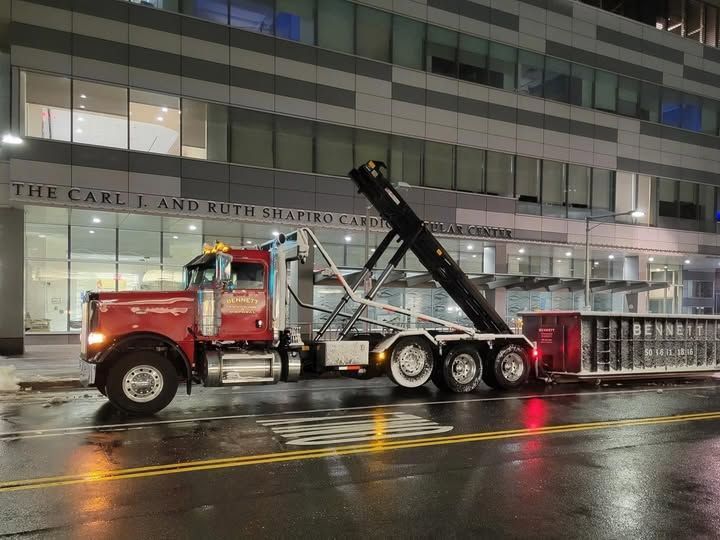
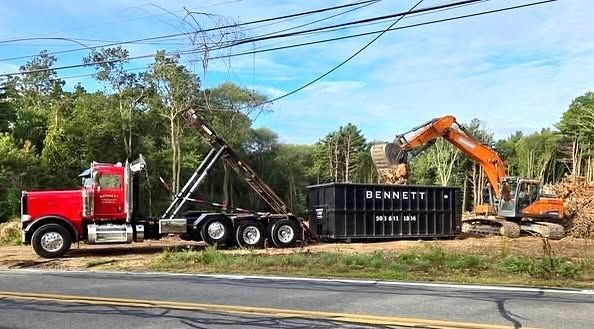
Conversely, commercial roll-offs are built out of thick, industrial-grade steel plates engineered specifically to survive the brutal physical impacts of heavy construction debris. Utilizing a professional commercial dumpster rental service provides you with massive lifting frames that can handle heavy structural components, dense roofing shingles, and thick steel framing without a single issue. Matching your material weight to the correct container class protects you from expensive overweight penalties at the regional scale house. Working with an authorized dumpster rental service firm ensures your container arrives with the perfect payload rating for your specific materials, keeping your project moving safely and efficiently.
Analyzing Spatial Footprint Dimensions
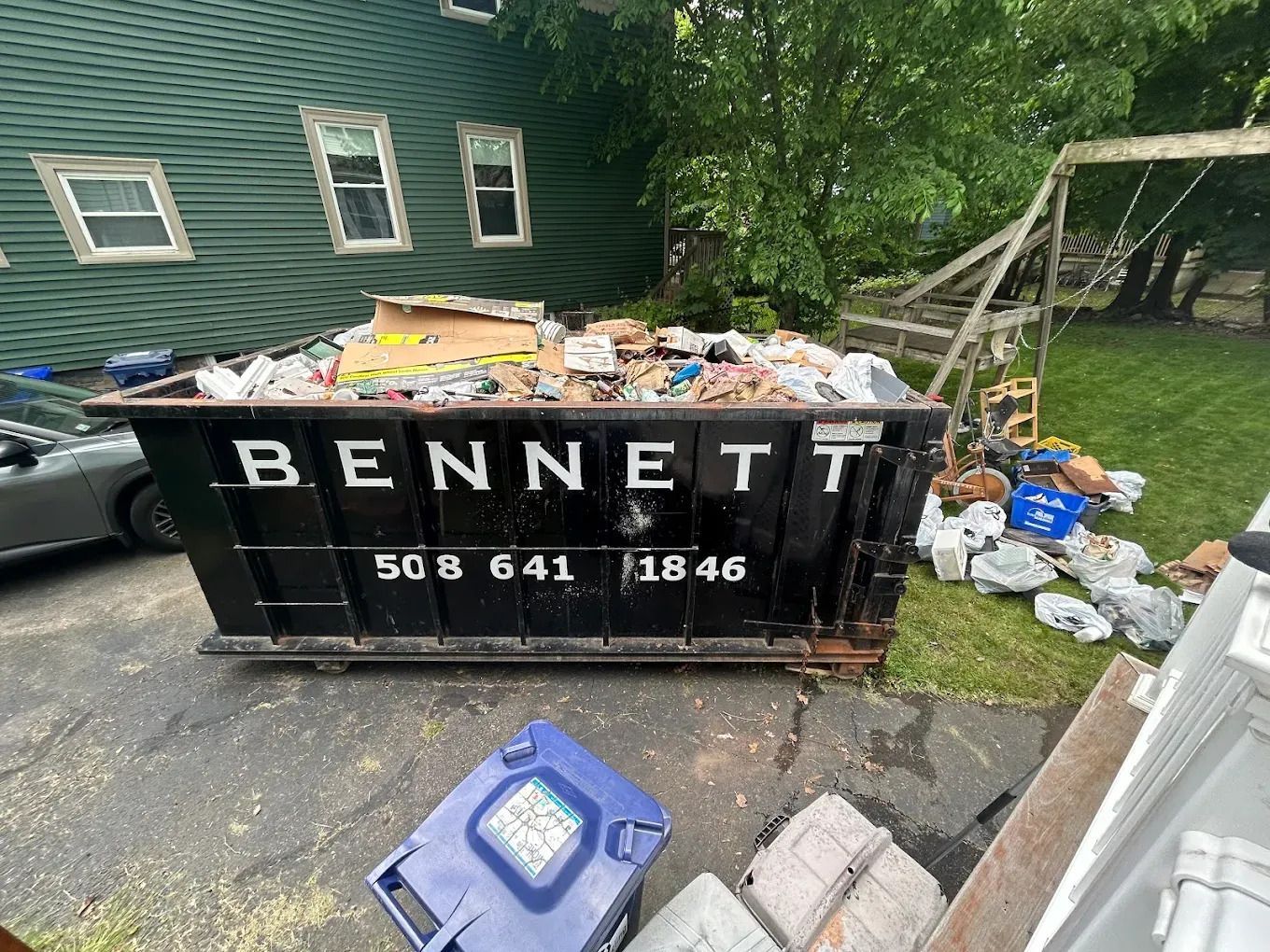
The physical dimensions and style of placement required for your container play a direct role in how easily it fits onto your active job site. Residential cleanups consistently struggle with tight spatial limitations, requiring bins that can slide smoothly onto a standard driveway without crushing beautiful landscaping or blocking your neighbor's sidewalk. Residential designs often feature a compact, vertical footprint with convenient rear walk-in doors that allow you to pack junk tightly by hand.
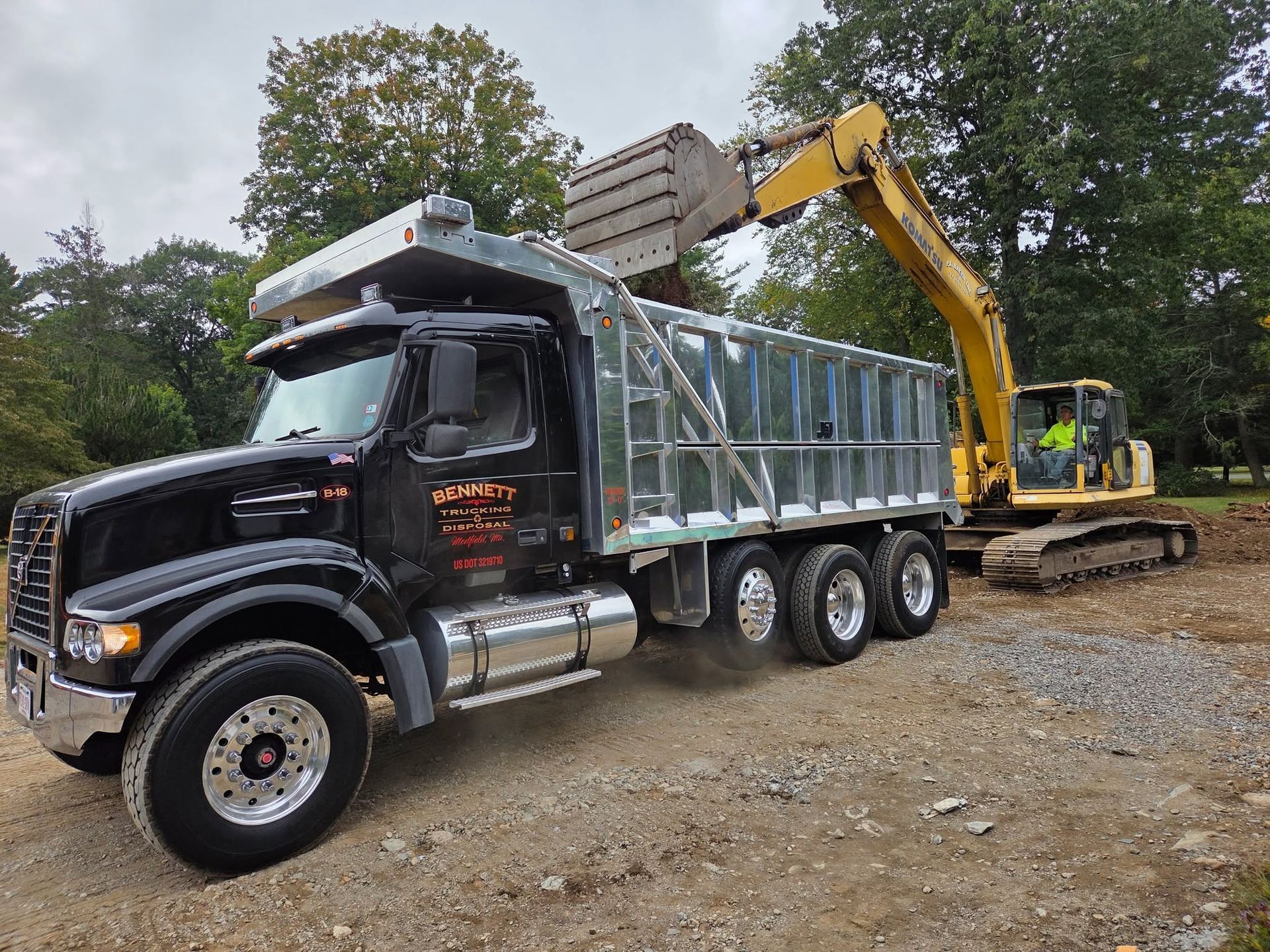
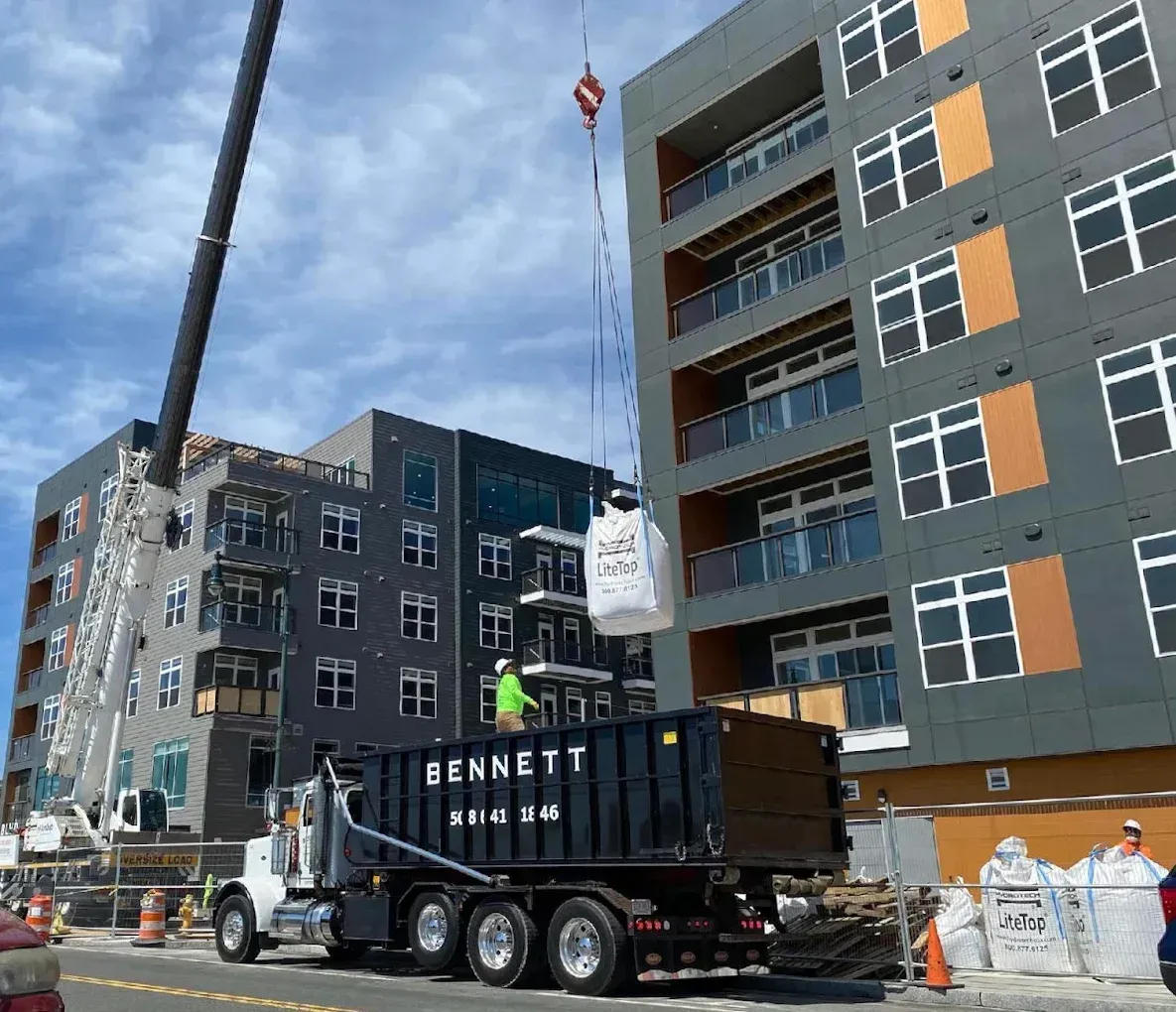
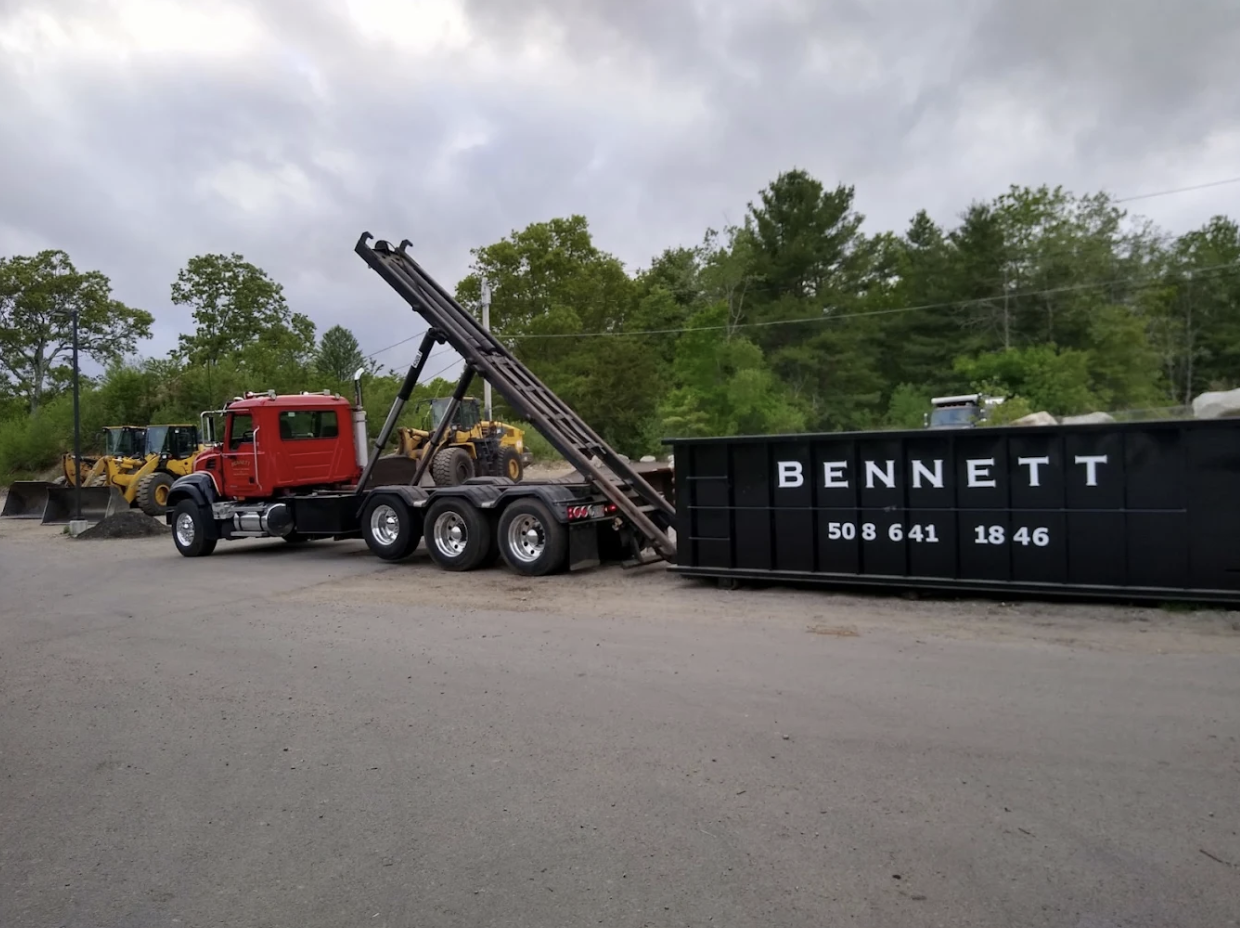
Commercial bins utilize elongated, low-profile footprints designed for open, spacious commercial parking areas or large industrial building zones. A specialized commercial dumpster rental service delivers these high-capacity bins to sites equipped with plenty of physical clearance space for massive multi-axle haul trucks to maneuver safely. Attempting to drop an oversized commercial container onto a tight suburban driveway will often block your garage doors completely and can crack the concrete under the truck's heavy wheels. Consulting with an experienced dumpster rental service coordinator helps you select a physical style that respects your property's boundaries, ensuring a completely safe and hassle-free drop-off morning.
Reviewing Allowed Material Classifications
The specific types of trash you can legally toss into a container vary dramatically based on the distinct environmental contracts and sorting pathways tied to your account. Residential projects typically deal with standard household waste, old appliances, and general clutter that local sorting grids can quickly process or recycle. However, residential contracts strictly forbid throwing away hazardous materials like old car batteries, toxic household chemicals, or leftover remodeling paints.
Commercial developments frequently handle specific types of industrial waste—like processed roofing tar, asbestos insulation, and treated structural timbers—that require advanced legal documentation and dedicated dumping protocols. Securing a specialized commercial dumpster rental service guarantees that your building crew is supplied with dedicated, material-specific bins for concrete recycling or wood sorting. Relying on an authorized dumpster rental service company ensures that your industrial debris is funneled directly to certified processing centers that handle hazardous materials safely. This strict regulatory compliance shields your business from severe environmental code violations and keeps your project's legal status pristine.
Comparing Schedule Pickup Logistics
The final, crucial factor that sets these two containment options apart is the overall frequency and timing of your scheduled waste haulage. Residential cleanups are typically temporary, high-speed events that start and end within a set multi-day window, such as a single busy weekend or a two-week roofing project. Once your home cleanup is complete, the truck removes the bin, and your driveway returns to its normal layout.
Conversely, commercial operations require a continuous, long-term waste management plan to keep busy retail centers, large restaurants, and active building sites completely clean over several months or years. A premier commercial dumpster rental service establishes a permanent schedule, deploying trucks weekly or daily to empty your permanent front-load bins automatically. This consistent structural support prevents overflowing trash piles from gathering around your business, protecting your company's curb appeal and maintaining public health standards.
Sustaining a clean, safe, and highly efficient job site over the entire life of a remodeling or construction project requires a steady combination of smart scale calculations, proper bin placement, and regular professional collection. Underlying waste strategy serves as the vital backbone of your overall site speed and your primary shield against messy workspace accidents, meaning that attempting to shortcut your containment choices with cheap unverified bins or ignoring strict weight restrictions will only lead to disappointing performance and expensive structural damage down the road. Stepping away from passive disposal choices and investing your energy into a proactive, well-managed care plan is the absolute best way to insulate your project budget from unexpected scale house fees and pickup delays. By aligning your property development goals with a disciplined, professionally managed
dumpster rental service strategy, you successfully safeguard your short-term improvement funds and secure your long-term real estate equity.
When you take the time to prioritize industrial steel frameworks, precise physical size metrics, and expert corporate accountability for your property cleanup, you unlock higher daily convenience, eliminate municipal code anxieties, and gain total confidence in your equipment. Professional-grade preventive care from an independent supplier transforms a chaotic, cluttered workspace back into a beautifully organized, high-speed project environment that your building team can navigate with absolute pride. If you realize your current construction debris is starting to overflow your collection areas, see heavy piles of old roofing shingles gathering near your foundations, or are actively preparing to launch a spectacular new development project for your family, do not wait for a complete waste crisis to take action. Visit Bennett Trucking online today to view your customized container sizes, explore flexible pickup scheduling blocks, and schedule a professional technical consultation to ensure your site remains safe and secure through every season.

Share On: